Source New Power Steering Rack for Cars, Trucks, and SUVs
Compare 30 listings for new power steering rack components from verified Chinese suppliers. Buyers can evaluate specifications, pricing, and customization options for automotive applications including steering gears and shafts. Explore models like 44200-60012 and 56500-3X200 with aluminum or steel materials. Check delivery times, MOQs, and packing details to find the right fit for your vehicle needs today.
Key considerations
Products List


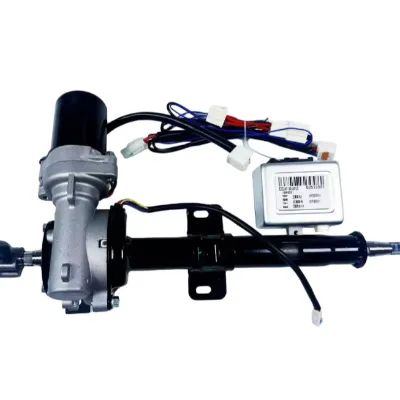

Comprehensive Sourcing Guide
New Power Steering Rack Sourcing Guide
Procuring new power steering racks requires a disciplined approach to verifying component compatibility and supplier reliability. Buyers must first confirm that the listed part number, such as 44200-60012 or 56500-3X200, matches the specific vehicle chassis and engine configuration. The market offers both semi-automatic and automatic variants, so distinguishing between these operational modes is critical for ensuring the steering system integrates correctly with the vehicle’s hydraulic or electric power assist mechanisms.
Beyond basic identification, sourcing teams should evaluate the physical condition and packaging standards of the inventory. Most available units are listed as new, with origins primarily in China, including specific hubs like Chongqing and Guangdong. Verifying that the product arrives in strong cartons or neutral packaging helps prevent transit damage. Additionally, confirming that the color and finish, often black or as shown in pictures, align with the original equipment manufacturer specifications ensures aesthetic and functional consistency during installation.
Product Scope and Observed Listing Signals
The current market landscape for new power steering racks displays a wide range of part numbers, indicating a broad inventory scope. Listings frequently reference specific OEM codes like 44250-06270, 45500-5202C, and 23622566, which suggests that suppliers cater to diverse automotive repair and replacement needs. Buyers should observe that customization is available, allowing for tailored solutions, while the standard condition is consistently reported as new. This variety requires careful cross-referencing to ensure the selected rack matches the exact model year and trim of the target vehicle.
Observed listing signals also highlight significant variations in minimum order quantities and delivery expectations. While some suppliers offer an MOQ of just one piece, others require five pieces, reflecting different business models ranging from retail-ready distributors to wholesale manufacturers. Delivery times are generally reported as two to seven working days, with shipping options including DHL, EMS, and UPS. These signals indicate a responsive supply chain, but buyers must verify stock availability immediately, as the "instock" status can change rapidly due to high demand for common replacement parts.
Technical Specifications to Verify
Technical verification begins with confirming the material composition of the steering rack housing and internal components. Listings indicate the use of aluminum, steel, or aluminum alloy, each offering distinct advantages in weight and durability. Buyers must ensure that the material specified matches the original equipment requirements to maintain proper heat dissipation and structural integrity under load. Additionally, the standard type is often listed as standard or as requested, so confirming that the dimensional tolerances align with the vehicle’s mounting points is essential for a seamless fit.
The automatic nature of the steering gear is another critical technical parameter to validate. Whether the unit is semi-automatic or fully automatic affects the hydraulic pressure requirements and electrical connections. Buyers should verify that the product model number, such as 48500-77500 or 46-46, corresponds to the correct automatic system configuration. Furthermore, checking the packing dimensions, often around 35x25x30 cm, helps in planning logistics and storage. Ensuring that the parts number, like 56500-3X200, is accurately transcribed prevents costly ordering errors and installation delays.
Compliance and Safety Documentation
Compliance verification is paramount when sourcing automotive steering components, as these parts directly impact vehicle safety. Buyers should request documentation confirming that the products meet relevant ISO certification standards, which serve as a baseline for quality management systems. Although specific safety certifications may vary by region, the presence of ISO certification indicates a structured approach to manufacturing consistency. It is crucial to ensure that the supplier can provide traceability records for each batch, linking the final product back to raw material sources and production logs.
Safety documentation also includes verifying that the steering rack has undergone professional testing to ensure 100% quality assurance. Buyers should ask for test reports or quality control certificates that demonstrate the unit’s performance under stress and operational conditions. While specific test standards are not always listed, the claim of professional testing suggests adherence to rigorous internal quality protocols. Ensuring that the product is free from defects and meets the original equipment manufacturer’s specifications is non-negotiable for maintaining vehicle safety and regulatory compliance in the destination market.
Cost Drivers and Commercial Terms
Cost drivers for new power steering racks include material costs, manufacturing complexity, and logistics expenses. The use of aluminum or steel alloys influences the base price, while the level of customization and packaging requirements can add to the final cost. Buyers should note that prices in the observed range vary significantly, reflecting differences in brand, origin, and included services. Understanding these variables helps in negotiating better terms and avoiding unexpected charges that can erode profit margins during the procurement process.
Commercial terms also play a significant role in the total cost of ownership. Payment methods such as PayPal, T/T, Western Union, and Visa offer flexibility, but buyers should assess the security and convenience of each option. Lead times of three to seven working days suggest efficient processing, but buyers must factor in shipping duration and customs clearance. Additionally, the availability of samples allows for preliminary quality checks before committing to larger orders, reducing the risk of financial loss due to defective or incompatible parts.
Supplier Qualification and Quality Control
Supplier qualification requires a thorough assessment of their operational capabilities and quality control processes. Buyers should verify the supplier’s origin, with many listing locations in Chongqing, Guangzhou, or Guangdong, China, which are known automotive manufacturing hubs. Confirming that the supplier offers OEM services and has a history of providing consistent quality is essential. Additionally, checking for positive feedback on delivery times and customer service helps gauge reliability. A qualified supplier should be transparent about their production capacity and able to handle both small and large orders efficiently.
Quality control measures should be explicitly defined in the procurement agreement. Buyers must ensure that the supplier conducts 100% professional testing on each unit before shipment. This includes checking for leaks, proper gear engagement, and correct electrical connections if applicable. The use of neutral packaging or OEM packages should be agreed upon to protect the product during transit. Furthermore, verifying that the supplier provides a warranty or return policy for defective items adds an extra layer of security, ensuring that any quality issues are addressed promptly without significant financial impact.
Long-Term Procurement Checks
Long-term procurement success depends on establishing a robust relationship with reliable suppliers and implementing continuous monitoring. Buyers should regularly review supplier performance metrics, including on-time delivery rates, product quality consistency, and responsiveness to issues. Maintaining open communication channels allows for quick resolution of any discrepancies and fosters a collaborative partnership. Additionally, staying updated on new part numbers and model releases ensures that the procurement team can source the latest components as vehicle models evolve, preventing stockouts of critical replacement parts.
Continuous improvement in the procurement process involves refining quality control checks and optimizing logistics strategies. Buyers should periodically audit supplier facilities or request third-party inspections to ensure ongoing compliance with quality standards. Evaluating the cost-effectiveness of different shipping methods and packaging options can lead to significant savings over time. By maintaining a diverse supplier base and regularly assessing market trends, buyers can mitigate risks and ensure a steady supply of high-quality new power steering racks for their customers.
FAQs
What certifications do the new power steering racks have?
The new power steering racks carry ISO certification as a standard quality assurance measure. This ensures the products meet international manufacturing standards for safety and reliability. Buyers can verify this certification when reviewing product specifications before placing orders for automotive applications.
Which materials are used to manufacture these steering gears?
These steering gears are primarily manufactured using aluminum, steel, and aluminum alloy materials. The specific material depends on the model and application requirements. Buyers should check the product details to confirm the exact material composition for their specific vehicle needs.
Can I get samples of the new power steering rack?
Yes, samples are provided for the new power steering rack to allow buyers to verify quality before bulk purchasing. This service helps ensure the product meets specific requirements. Buyers should contact the supplier directly to arrange sample requests and understand any associated costs.
What is the minimum order quantity for these parts?
The minimum order quantity varies, with some listings accepting just one piece while others require five pieces. Buyers can find options with an MOQ of one to one hundred pieces depending on the specific supplier. This flexibility allows small and large buyers to source efficiently.
How long does delivery take for these steering components?
Delivery typically takes between two to seven working days depending on the shipping method selected. Suppliers offer various delivery ways including DHL, EMS, Aramex, UPS, air, and sea freight. Buyers should confirm the exact lead time with the supplier based on their location and urgency.
Are these steering racks available in custom packaging?
Customization is available for packaging, with options including strong cartons, regular packaging, and neutral packing. Some suppliers also offer OEM packages or specific lamp packages. Buyers can request specific packing requirements to suit their logistics needs when placing an order.
Where are these new power steering racks manufactured?
These products originate from various locations in China, including Chongqing, Guangzhou, and Guangdong. The specific origin depends on the manufacturer and the product model. Buyers should verify the exact production location to ensure it aligns with their sourcing preferences and logistics planning.